March Is the Stress Test: How Daylight Saving Time Disrupts Sleep, Energy & Flow (And How to Fix It)

TLDR:
March is the stress test: schedule, light, and Q1 pressure shift—plus many regions move clocks forward for DST—exposing whether your performance is built on rhythm or force.
One hour has real consequences: after spring DST, workers slept ~40 minutes less and workplace injuries rose ~5.7% (field data).
Safety degrades too: research finds the spring DST transition increases fatal crash risk by ~5–6.5%.
Flow isn’t forced: it’s more likely when goals are clear, feedback is immediate, and challenge matches skill—conditions that collapse when you’re under-recovered.
Phoenix fix: install one recovery standard per element (Body/Mind/Personal Space/Professional Space) to stabilize rhythm and make output predictable again.
Every March, high performers discover the same truth:
it’s not a lack of discipline that breaks them, it’s a recovery system that can’t keep up
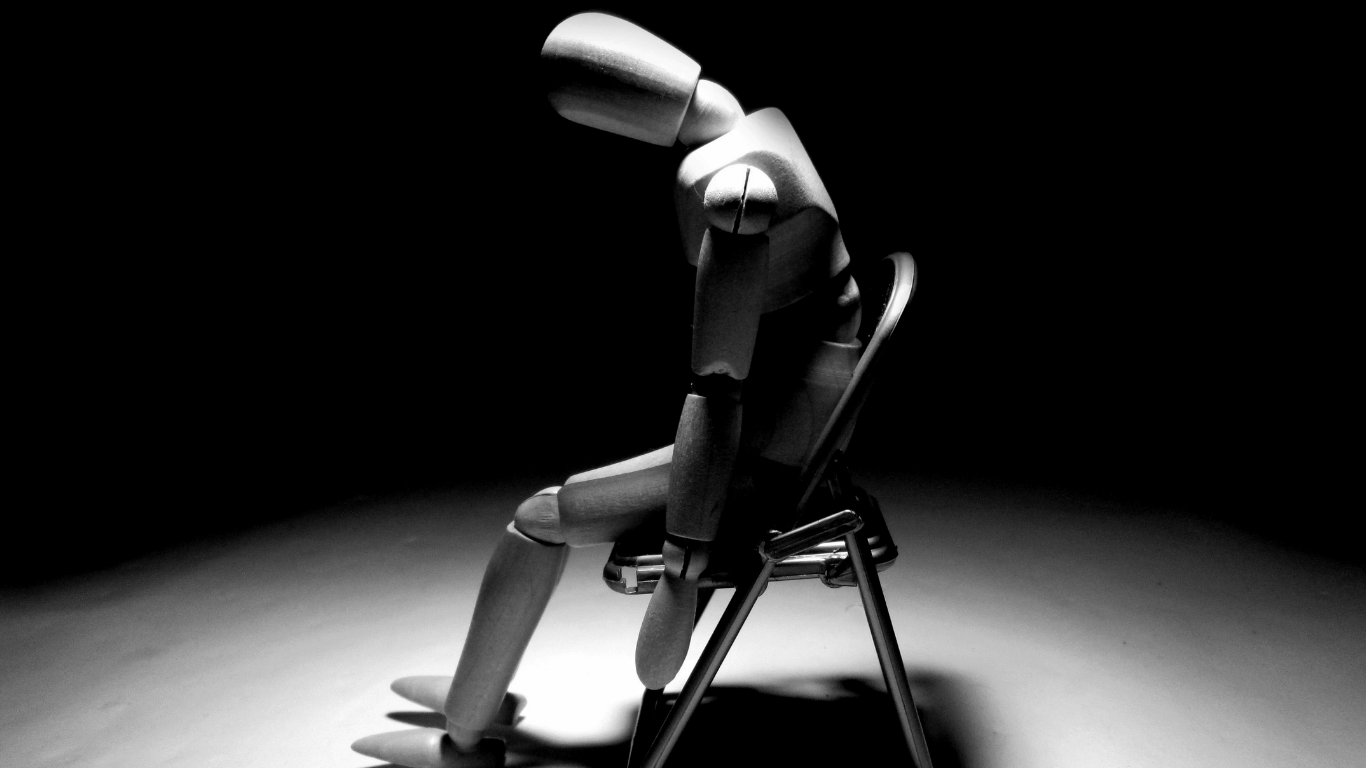
Picture this: it’s Sunday night. You tell yourself you’ll go to bed “a little earlier.” Monday matters. You’ve got calls, pressure, and a Q1 finish line.
Then the clock shifts. You lose an hour.
And Monday feels like you’re pushing through wet cement—not because you’re soft, but because your system took a seemingly small, but significant hit.
Every March, entire regions move their clocks forward by one hour for daylight saving time (DST). In 2026, many countries and territories observe DST, and major regions shift in March—like the U.S. (March 8, 2026) and the EU (last Sunday in March). timeanddate — DST 2026
So when you hear “it’s just one hour,” understand what that really means: one hour is enough to disrupt sleep and measurably increase injuries.
Here’s the truth:
In a large field study, workers slept ~40 minutes less after the spring DST shift and workplace injuries increased ~5.7% immediately after.
• Barnes & Wagner — Journal of Applied Psychology (APA PDF)
If one hour can disrupt you, your calendar isn’t your performance engine — your biology is.
March doesn’t create the problem. It reveals it. Because high performance isn’t built on willpower. It’s built on capacity—and capacity is biological.
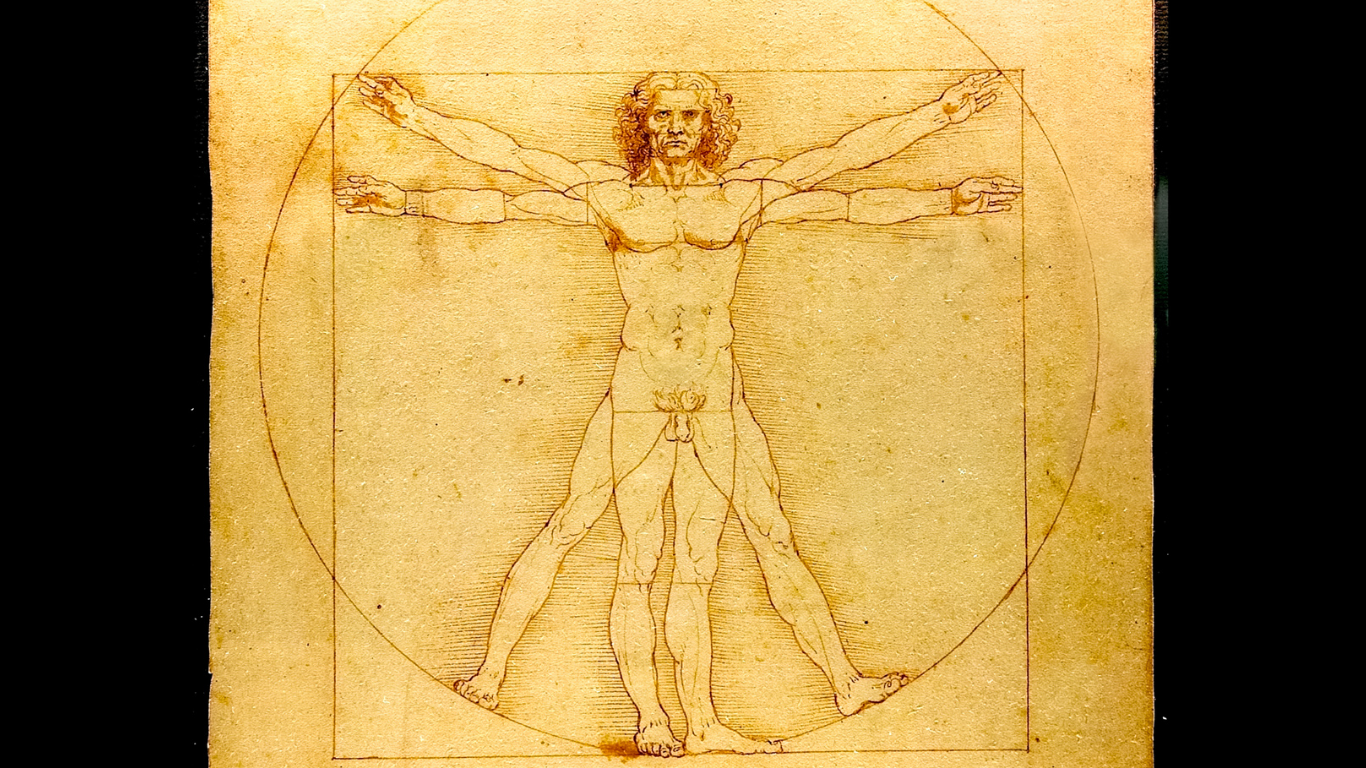
March is when your system gets tested — because environmental shifts expose your foundation - your body and mind.
March is a stress test month.
Not because something is “wrong” with you—because the environment changes just enough to expose whether your performance is built on cycles… or built on force.
What shifts in March:
• Light and mornings/evenings change.
• Workload pressure rises as Q1 closes.
• Routines drift (later nights, tighter mornings).
• And for many people, the clock itself shifts forward by one hour with DST. timeanddate — U.S. time change
Most high-performing men run an outdated model:
• More hours = more output
• Discipline beats fatigue
• Recovery is what you do after you finish
But March exposes the cost of that model:
If your system can’t absorb small disruptions, you’re not running a performance engine. You’re running a pressure cooker.
And March comes with cultural “signals” that point back to fundamentals—without you needing to buy into wellness culture. Its interesting that culturally we acknowledge this shift in March:
• National Nutrition Month (March): Academy of Nutrition and Dietetics
• Sleep Awareness Week 2026 (March 8–14): National Sleep Foundation
• World Sleep Day rule (Friday before the March equinox): World Sleep Society
So the question March asks is simple:
Are you living in rhythm…
or
are you borrowing energy from your future to fund today’s output?

The one-hour stress test: how DST reveals the real cost of under-recovery
Here’s what most high performers miss until it finally catches up with them:
Your biology doesn’t negotiate.
DST is a clean stress test because it isn’t a new workload, a new diet, or a crisis. It’s one variable—the clock moves forward by one hour—and then we watch what happens.
Anchor proof: one hour → less sleep → more injuries
In a large field study, employees slept ~40 minutes less after the spring DST shift—and workplace injuries increased ~5.7% immediately after. Barnes & Wagner (APA PDF)
Not “people felt tired.”
Not “motivation was low.”
Less sleep. More injuries. That’s capacity failing before discipline even gets a chance to do its job.
Real-world performance signal: fatal crashes
A major analysis found the spring transition into DST increases fatal crash risk by ~5–6.5%.
• Smith (2016) — American Economic Journal: Applied Economics (JSTOR)
The takeaway is simple and ruthless:
Small disruption → smaller recovery margin → higher error cost.
If one hour can move injury rates and fatal-crash risk, then performance isn’t primarily a time problem. It’s a capacity problem—which means the real question becomes:
what creates capacity?

The deeper principle — you live in cycles (Energy Cycles → Flow State)
Here’s the belief shift that changes everything:
Time is the map. Biology is the terrain.
Your calendar can say “go.”
Your nervous system can still be operating like it’s in a deficit.
Sleep loss doesn’t just make you tired—it changes how you feel, how you react, and how well you regulate emotion.
Meta-analytic work shows sleep loss is linked to increased negative mood and reduced adaptive emotion regulation.
• Tomaso et al. — Systematic review/meta-analysis (PMC)
• Palmer & Alfano — APA Bulletin paper (PDF)
Translation: when rhythm is off, your “discipline” is trying to run performance software on degraded hardware.
So the goal isn’t “try harder.”
The goal is restore the conditions where effort actually works.
Flow isn’t forced. It emerges when conditions are optimal.
Flow is not a motivational hack…
it’s a state of deep absorption and high-quality engagement that becomes more likely when specific conditions are present.
A major flow meta-analysis/review notes three proximal conditions repeatedly:
• Clear goals
• Immediate feedback
• Challenge–skill balance
That’s why the “just grind” approach fails long-term: you can generate short-term output with adrenaline… but you can’t reliably generate flow without rhythm. And syncing with that rhythm is about optimizing environmental conditions. Flow meta-analysis (Taylor & Francis)
Flow is the outcome of alignment, not the reward for suffering.

The solution: The Phoenix 4 Elements — one recovery standard each
This is where most high performers self-sabotage: they try to “fix sleep” with a 12-step routine.
That’s not a system.
That’s a hobby.
The Phoenix approach is simpler: one standard per element—a repeatable ritual that protects recovery when March tries to steal it.
Not a checklist. Not perfection.
A minimum operating standard that keeps your rhythm stable enough to perform in March.
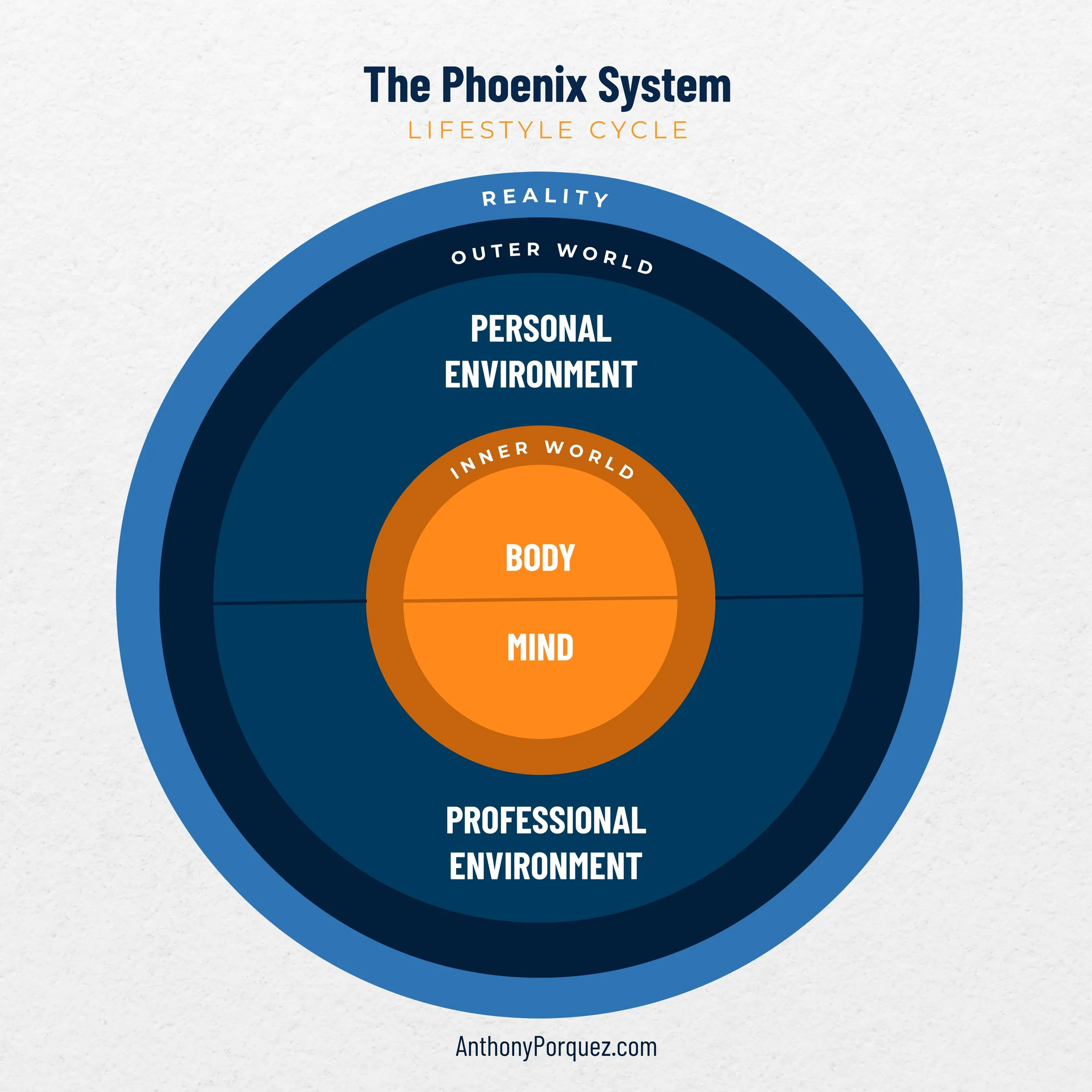
Body (Water) — Stabilize the physiology
Standard: Fixed sleep and wake times for 7 days (yes, even weekends).
Wake time is your anchor. When March disrupts rhythm, consistency is how you re-stabilize.
Mind (Air) — Reduce cognitive spillover
Standard: 5-minute shutdown ritual before bed.
Write: tomorrow’s Top 3 “To-Do” List + one open loop parked.
Close the tabs so your brain stops trying to work at 1 a.m.
Personal Space (Earth) — Protect the sleep container
Standard: Phone out of the bed + one consistent wind-down cue.
One cue only—repeat it nightly. Train the downshift.
Professional Space (Fire) — Stop urgency stealing recovery
Standard: Two weeknights with a hard stop time.
Not “work less.” Stop at a set time—no negotiations. Protect the asset that produces revenue: your capacity.
These standards aren’t designed to make you “sleep better.”
They’re designed to make your performance predictable again.
Because when recovery stops leaking, focus cleans up, baseline stabilizes, and flow becomes accessible—not forced.

Wrap Up: Flow becomes the outcome — not the thing you force
Most men chase flow like it’s a mood.
Another coffee. Another late night. Another push. Another sprint fueled by adrenaline.
And sometimes it works—briefly.
But that isn’t sustainable flow. That’s volatility.
Real flow is what shows up when friction is removed: when your system is regulated, recovery is protected, and your environments stop leaking energy.
When cycles are supported, you don’t just feel better—you operate differently:
• Focus becomes cleaner (less noise, fewer false starts)
• Decisions become faster (less second-guessing, more signal)
• Emotional baseline becomes steadier (less irritability, more composure)
• Execution stops costing you (you can work hard and still recover)
This is the difference between output that drains you… and output that compounds.
Bring it back to the line in the sand:
If one hour can disrupt you, your calendar isn’t your performance engine — your biology is.
So don’t fight March with more hours.
Meet it with a better system.
If March tests your system, install a system (not more willpower)
If you’re reading this thinking, “Yeah… one disruption turns into a rough week,” here’s the truth:
Insight doesn’t change behavior.
Systems do.
Jeff Bezos has said he prioritizes sleep and protects his decision quality by designing his routine around it.
That’s exactly what The Burnout Reset Protocol is built for:
A 30-day system to restore energy, focus, and sustainable output by aligning the Phoenix Core Elements:
• Body (Water): restore baseline capacity
• Mind (Air): reduce mental drag + cognitive spillover
• Personal Space (Earth): build a recovery environment that supports you
• Professional Space (Fire): stop urgency from stealing your rhythm
This isn’t time management.
It’s energy management—because your performance engine is biological.
If one hour can knock you off, you don’t need more willpower—you need a system that protects your recovery and stabilizes your output.
Stop waiting for things to change. Start The Burnout Reset Protocol.