Your Home Should Not Feel Like a Second Workplace
TLDR:
Your home is either helping you recover or keeping you in work mode.
Burnout is not just about workload. Your environment also affects stress, sleep, focus, and recovery.
If your space is cluttered, overstimulating, or full of work spillover, your nervous system may stay activated even after the workday ends.
The fix is not perfection. It is building better conditions through boundary, environment, and ritual.
Start small: change one room, one corner, or one habit so your home supports recovery instead of extending stress.
Your home is either helping you recover or keeping you in work mode.
For high-performing men, burnout is not only a workload problem. It is also an environment problem.
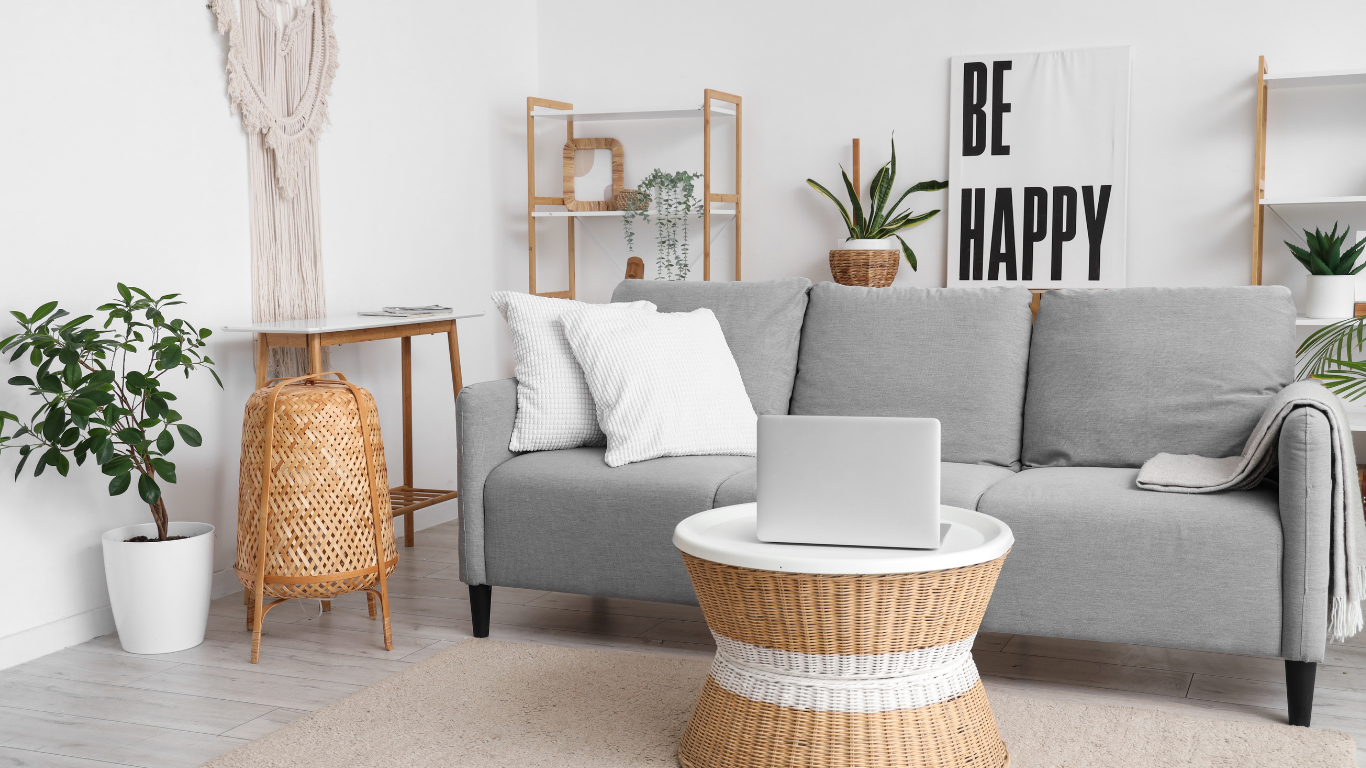
The place you return to after work either supports recovery or extends the stress cycle.
Most men are willing to look at their schedule, their habits, and their output. They are far less willing to look at the space they live in.
That is a mistake.
If home still feels like urgency, clutter, unfinished tasks, and low-grade pressure, your system never fully stands down.
Work may be over on paper, but the body does not read paper. It reads signals.
That makes this a performance issue, not a wellness issue.
A man who cannot recover at home will eventually see the cost in his focus, patience, sleep, and consistency.

The signs your home is keeping you in work mode
Most men do not miss the problem because it is hidden. They miss it because they have normalized it.
Not because something is “wrong” with you—because the environment changes just enough to expose whether your performance is built on cycles… or built on force.
Most men will recognize at least three of these. Some will recognize all seven.
You feel “on” even after the workday ends.
It is hard to mentally switch off.
Your work follows you into every room.
You do not have a space that feels calming or grounding.
Your home visually reminds you of tasks more than it supports recovery.
You rest physically but not mentally.
You wake up already feeling behind.
None of this looks dramatic from the outside. That is part of why it gets missed.
The house is functional. The day gets handled. Life keeps moving.
But the system stays loaded.
If your body is at home but your nervous system is still at work, recovery is not happening.

How your home environment affects burnout
High-performing men know how to push.
They are less practiced at building conditions that let the system come down.
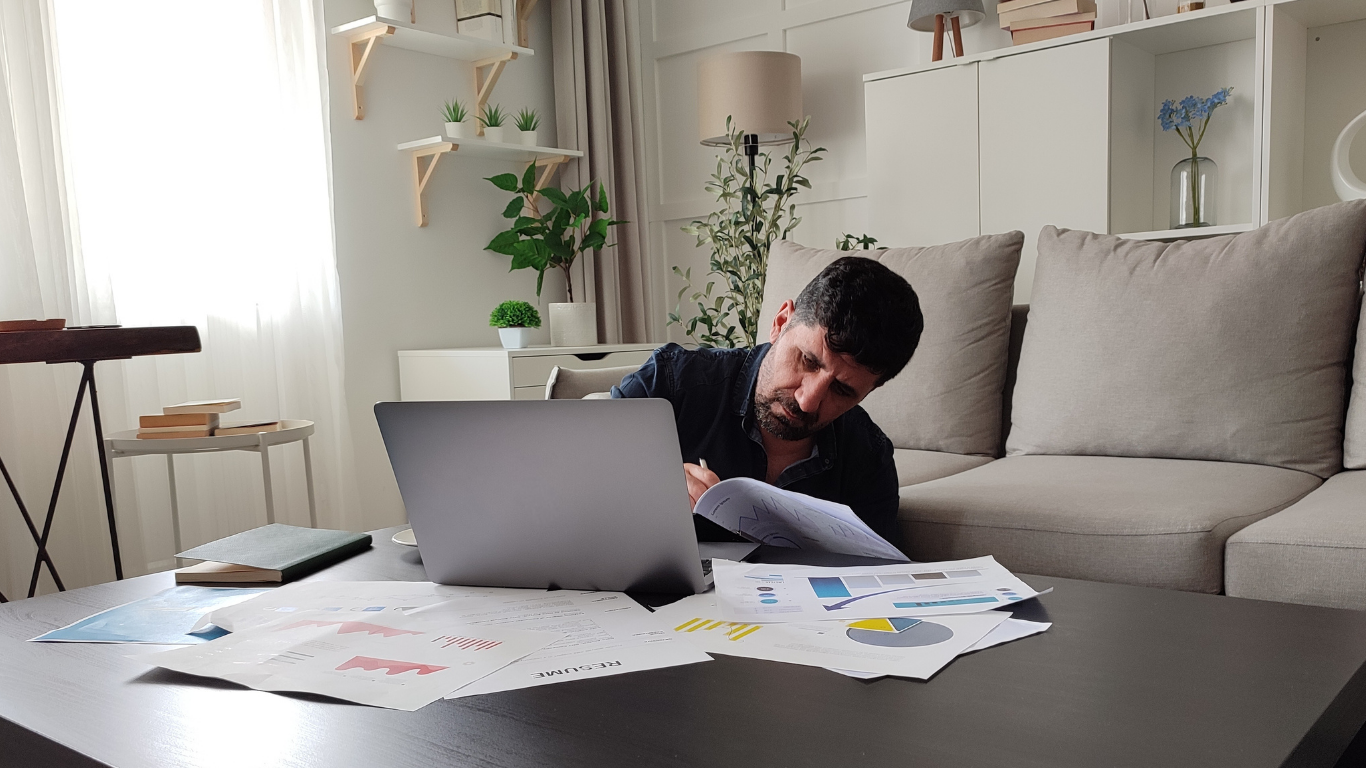
That blind spot matters more than most people think. A man can leave the office and still stay in a state of activation because the environment he comes home to does not tell his system that anything has changed. The laptop is still visible. The work papers are still out. The lighting is harsh. The room is cluttered.
The signals of incompletion remain active.
This is how chronic low-grade activation takes hold.
The home is not chaotic enough to seem broken, but it never allows the body to fully downshift. There is no clear edge between pressure and recovery. There is only a slower version of work.
Even visual clutter by itself can push the system toward dysregulation. In a study of healthy adults, higher-intensity visual clutter increased pupil size and body sway, both signs of greater autonomic activation.
That pattern creates drag. It shows up as irritability, mental fatigue, poor sleep, flat focus, restless evenings, and the strange feeling of being home without actually feeling off-duty.
The research points in the same direction.
In a UCLA home study, more stressful descriptions of home were linked to less healthy daily cortisol patterns. More broadly, a systematic scoping review of home workspaces found that factors such as clutter, privacy, noise, lighting, and workspace quality affect stress, concentration, and sleep, while a 2024 study of Dutch remote workers found that greater satisfaction with home-office factors was associated with lower burnout tendency.
That does not mean better furniture solves burnout. It means environment is not neutral. It shapes whether your system stays loaded or begins to recover.
This is the deeper argument…
Burnout is not just about how much you are doing. It is also about what your environment keeps asking your body and mind to tolerate.
How to make your home support recovery
You do not need a perfect home. That’s not a system.
You need a space that reduces friction and gives your system a fair chance to come down from pressure.
That starts with three things: boundary, environment, and ritual.
Boundary creates separation
Without boundary, work leaks. It spreads into common space, visual attention, and the nervous system. The goal is not aesthetic order.
The goal is containment.
Contain work to one defined zone, even if you do not have a separate room. Give it edges. Stop letting it spill into the rest of the home. When the day is done, close the laptop, put the papers away, and remove visible reminders of unfinished work. What stays in sight stays active in the mind.
Environment lowers the load
A recovery-supportive space does not need to be elaborate. It needs to feel different from the space where pressure happens.
It should reduce noise and friction.
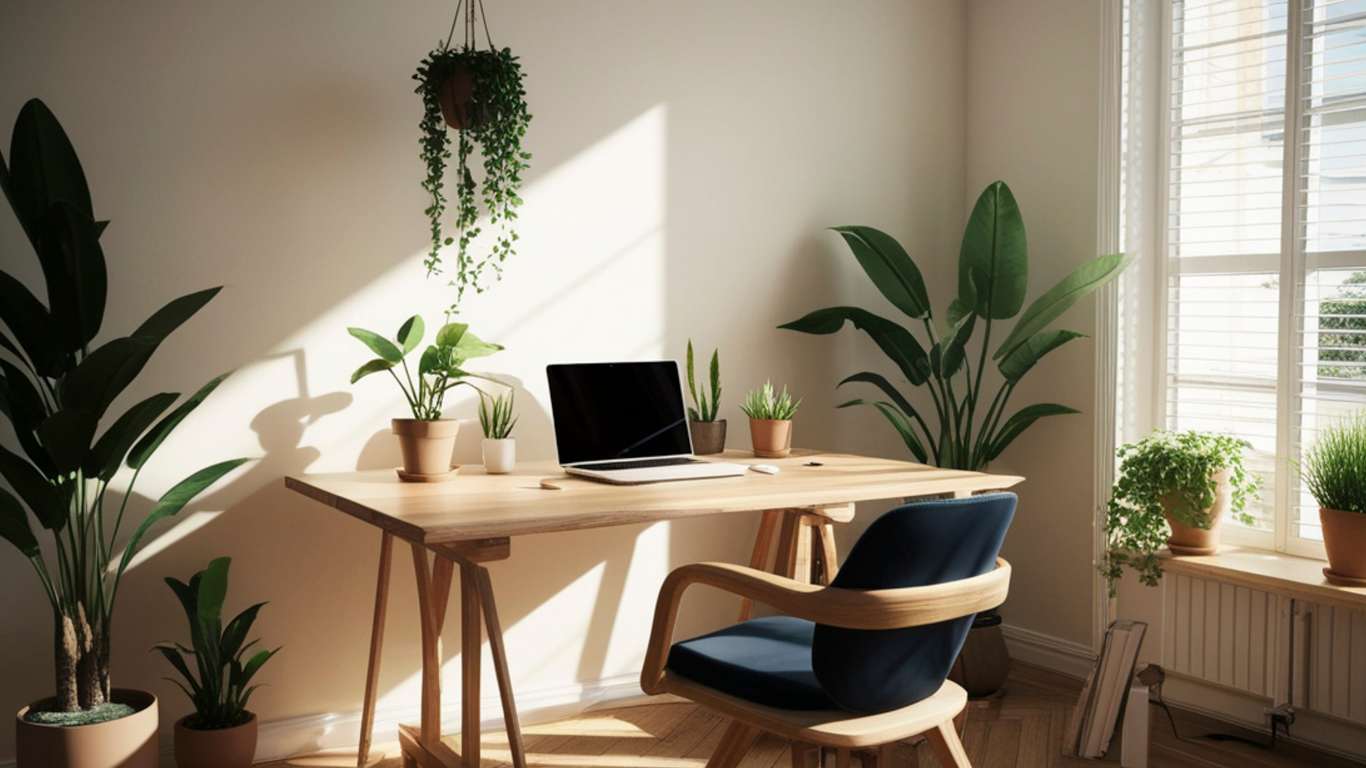
Build one area in the home that is not coded as work. A chair, a corner, or a desk-free space is enough. Then look at the sensory load: noise, lighting, clutter, temperature, and overstimulation. Small shifts matter because the nervous system responds to what is repeated.
Ritual tells the body the mode has changed
Most men rely on time to create transition. Time is weak. Ritual is stronger. The body needs a cue that work mode is over and home mode has begun.
Use a repeatable transition: an end-of-work reset, an evening walk, a change of clothes, a lighting shift, or a device cutoff window.
The ritual itself is not the point. The signal is.
Then ask a better question about the home itself:
Does this space create pressure, or does it create steadiness?

Sustainable output depends on what happens after work
Recovery is not a reward earned after enough output. It is part of the system that makes sustainable output possible.
A high-performing man who cannot recover at home is paying a cost that does not always show up immediately. He may still hit deadlines. He may still look functional. He may still produce. But the debt accumulates in the background.
It shows up in shorter patience, weaker decisions, flatter focus, worse sleep, less presence with the people around him, and a lower ceiling on how long he can perform at a high level.
Your home should not feel like a second workplace. It should be the place where your system can finally stand down.
That does not require a full renovation. It requires a decision: your space should support recovery, not compete with it.
Start small. Audit one room or one corner this week and remove one thing keeping your system in work mode.
This isn’t time management.
If you are starting to realize the problem is bigger than your schedule, Burnout Clarity will help you see where the real leaks are.
Join Burnout Clarity — my free 3-day reset for high-performing men designed to help you understand why you’re exhausted, identify where your energy is leaking, and see what needs to shift first.
Inside, we cover:
Day 1: Understand why burnout isn’t just work
Day 2: Identify where energy is leaking
Day 3: Orient how alignment begins